
لتزويدك بمواصفات مختلفة لمنتجات وخدمات مضخات المكبس والمضخات الغاطسة
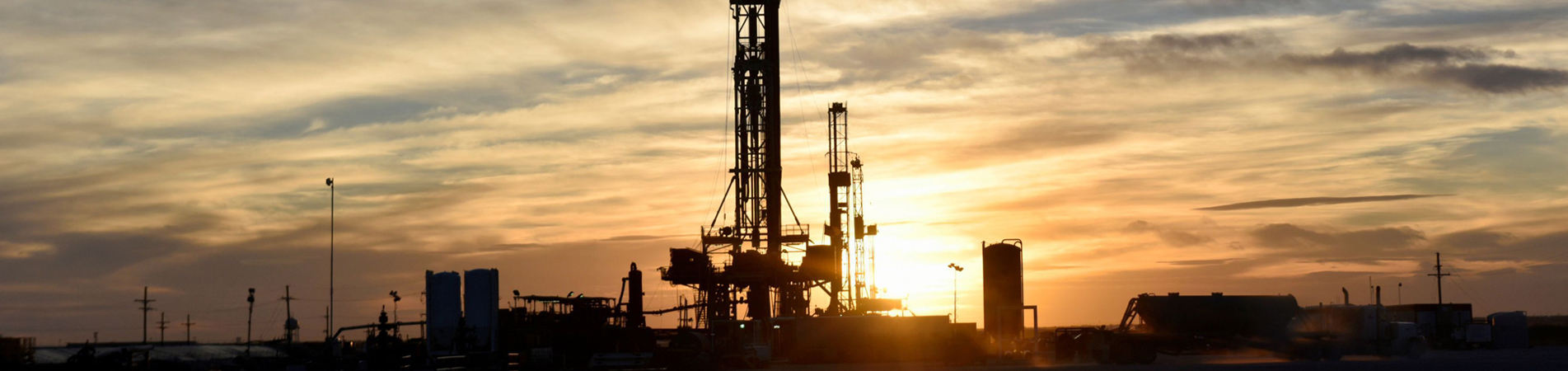
متبادل مضخات تغذية الغلايات تختلف مضخات التغذية الطاردة المركزية اختلافًا جوهريًا في مبادئ عملها وسيناريوهات استخدامها. اختيار مضخة ترددية عادةً ما يكون الدافع وراء استخدام المضخة الطاردة المركزية هو المتطلبات العالية للغاية لضغط التغذية والاستقرار تحت ضغط عالٍ وظروف التشغيل ذات الضغط العالي للغاية.
| مضخة ترددية | مضخة طرد مركزي | |
| ظروف التشغيل | ضغط عالٍ، تدفق منخفض (غلايات ذات ضغط عالٍ، غلايات ذات ضغط فائق) | ضغط منخفض، تدفق عالٍ (غلايات عامة) |
| الكفاءة الحجمية | مرتفع ومستقر | منخفض نسبياً |
| قدرة متوسطة على التكيف | عالي | منخفض نسبياً |
| التطبيقات النموذجية | تغذية الغلاية بضغط عالٍ/عالي جدًا وبمرور واحد، حقن الماء تحت ضغط عالٍ، التنظيف بالضغط العالي, تغذية غلاية الضغط العالينقل الوسائط عالية اللزوجة | الغلايات الصناعية العامة، وأنظمة الغلايات متوسطة/منخفضة الضغط، وإمدادات المياه والصرف الصحي للبلديات/المصانع، وتدوير مياه التبريد، وتغذية الغلايات منخفضة الضغط وعالية التدفق، والعمليات الكيميائية العامة |
1. اختلافات في مبدأ العمل
تعتمد المضخات الطاردة المركزية على قوة الطرد المركزي للمروحة لضخ السوائل، ويتأثر كل من الضغط والتدفق بشكل كبير بمقاومة خط الأنابيب. وهي مناسبة للغلايات العامة ذات الضغط المتوسط إلى المنخفض، ولكن كفاءتها تنخفض بشكل ملحوظ تحت الضغط العالي جدًا، مما يجعلها عرضة للتجويف أو التشغيل غير المستقر. أما المضخات الترددية فهي إزاحة موجبة الآلات التي تحرك الوسائط من خلال الحركة الترددية لـ المكابس أو مكابس. لا تتأثر الإزاحة تقريبًا بتقلبات ضغط التفريغ، مما يتيح تدفقًا دقيقًا ومستمرًا حتى في ظل ضغط خلفي مرتفع للغاية.
2. اختلافات سيناريوهات التطبيق
تتميز المضخات الطاردة المركزية ببنية بسيطة، وقدرة تدفق عالية، وتشغيل سلس، مع انخفاض تكاليف الاستثمار والصيانة - وتستخدم على نطاق واسع في أنظمة الغلايات والتدفئة الصناعية ذات الضغط المتوسط إلى المنخفض والتدفق العالي. للأنظمة دون الحرجة أو فوق الحرجة تغذية غلاية الضغط العاليتتطلب المضخات الطاردة المركزية تكوينًا متسلسلًا متعدد المراحل، مما ينتج عنه حجم كبير وخطر تسرب كبير من مانع التسرب في العمود. أما المضخات الترددية، فعلى الرغم من تركيبها المعقد ونبضات التدفق، إلا أنها قادرة على تلبية متطلبات الضغط العالي بمرحلة واحدة، مما يجعلها الخيار الأمثل لتطبيقات الضغط العالي، والضغط العالي جدًا، وتغذية الغلايات ذات التدفق المباشر. وفي سيناريوهات الضبط الدقيق التي تتطلب تحكمًا دقيقًا في التدفق لمطابقة معدلات التبخر، يتفوق أداؤها على أداء المضخات الطاردة المركزية.
3. مزايا المضخات الترددية
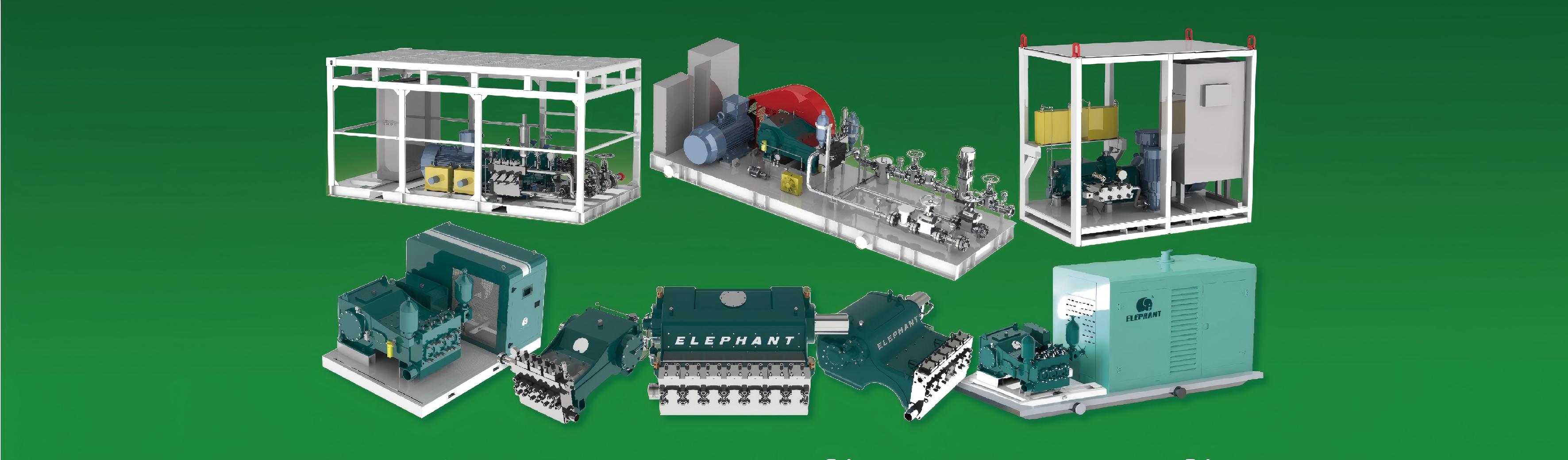
بالمقارنة مع المضخات الطاردة المركزية، مضخات المكبس الترددية تتميز مضخات تغذية الغلايات الترددية من شركة إليفانت ماشينري بكفاءة طاقة فائقة وموثوقية تشغيلية عالية. كما تتوفر خدمات التخصيص، المصممة خصيصًا لتلبية متطلبات العملاء فيما يتعلق بتصنيف الضغط، ومعدل التدفق، وخصائص الوسط.

لتزويدك بمواصفات مختلفة لمنتجات وخدمات مضخات المكبس والمضخات الغاطسة
اتصل بنا
إذا كنت مهتمًا بمنتجاتنا ، فيرجى الاتصال بنا ، وسوف نقدم لك الخدمات المناسبة.
 +86 18110351348
 البريد الإلكتروني
: louise.zhang@c-elephant.com
البريد الإلكتروني
: louise.zhang@c-elephant.com
 عنوان
: Room 909, Building 4, No. 109 Software Avenue, Nanjing City, Jiangsu, China</br></br>No. 58 Guan Hua West Road, Jianhu County, Yancheng City, Jiangsu Province, China
عنوان
: Room 909, Building 4, No. 109 Software Avenue, Nanjing City, Jiangsu, China</br></br>No. 58 Guan Hua West Road, Jianhu County, Yancheng City, Jiangsu Province, China
يرجى القراءة ، البقاء منشورا ، الاشتراك. ونرحب بكم لتخبرنا برأيك.
لن نشارك أو نبيع بريدك الإلكتروني أبدًا. نحن نعد أيضًا بعدم إغراق صندوق الوارد الخاص بك.


 شبكة IPv6 المدعومة