
لتزويدك بمواصفات مختلفة لمنتجات وخدمات مضخات المكبس والمضخات الغاطسة
في التناضح العكسي في الأنظمة، تعمل المضخة كمعدات الطاقة الأساسية، ويؤثر اختيارها بشكل مباشر على استهلاك الطاقة في النظام واستقراره وتكاليف إنتاج المياه. المضخات الترددية وتُعد المضخات الطاردة المركزية أكثر أجهزة الضغط استخدامًا، مع وجود اختلافات كبيرة في مبادئ العمل وخصائص الأداء والسيناريوهات القابلة للتطبيق.
| مضخة ترددية | مضخة طرد مركزي | |
| الكفاءة الحجمية | مرتفع جداً | معتدل |
| ظروف التشغيل | يتفوق في ضغط عالٍظروف التدفق المتوسط/الصغير | يتفوق في ظروف الضغط المتوسط/المنخفض والتدفق العالي |
| القدرة على التعديل | مجموعة واسعة | مجموعة محدودة |
1. مبدأ العمل
المضخات الترددية هي مضخات الإزاحة الموجبة التي تعتمد على الحركة الترددية لـ المكابس أو مكابس داخل الأسطوانة، يتم تغيير حجم حجرة العمل دوريًا، مما يسمح بسحب السائل وتفريغه. ينتج عن طريقة التوصيل هذه، القائمة على الإزاحة، تدفق يعتمد بشكل أساسي على السرعة وحجم الشوط، وهو نظريًا مستقل عن ضغط التفريغ، مما يوفر خرجًا مستقرًا عالي الضغط. المضخات الطاردة المركزية هي مضخات ديناميكية تعتمد على مراوح دوارة عالية السرعة لأداء العمل على السائل. يسمح هذا المبدأ الديناميكي للمضخات الطاردة المركزية بتحقيق كفاءة أعلى عند معدلات تدفق كبيرة وضغوط متوسطة إلى منخفضة، ولكن تحقيق ضغط عالٍ للغاية يتطلب عادةً تكوينات متسلسلة متعددة المراحل.
2. اختلافات الأداء
من حيث استقرار التدفق، تُظهر المضخات الترددية نبضات ملحوظة في مخرجاتها، وتتطلب أجهزة تثبيت الضغط لحماية عناصر غشاء التناضح العكسي من الصدمات الهيدروليكية. أما المضخات الطاردة المركزية، فتعمل بسلاسة تامة دون أي نبضات. وفيما يتعلق بكفاءة الطاقة، تتميز المضخات الترددية بكفاءة حجمية عالية، بينما تحقق المضخات الطاردة المركزية كفاءة هيدروليكية عالية عند معدلات تدفق كبيرة، إلا أنها تشهد انخفاضًا سريعًا في الكفاءة عند التشغيل بعيدًا عن نقطة التصميم، مع خطر حدوث التكهف. إضافةً إلى ذلك، تتمتع المضخات الترددية بتوافق أوسع مع مختلف أنواع السوائل ومقاومة أكبر للتلوث؛ أما المضخات الطاردة المركزية، ذات الخلوصات الأصغر بين دافعاتها، فهي حساسة للجسيمات وعرضة للتآكل والانسداد.
3. السيناريوهات القابلة للتطبيق
تُعدّ المضخات الترددية مناسبة لأنظمة التناضح العكسي ذات الضغط العالي والتدفق المنخفض والتي تتطلب تحكمًا دقيقًا في استهلاك الطاقة، مثل تحلية مياه البحر، ومعالجة مياه الصرف الصحي عالية الملوحة، ومراحل التركيز التي لا تُصرّف أي سائل. في المقابل، تُستخدم المضخات الطاردة المركزية، بقدرتها على ضخ كميات كبيرة من المياه وتشغيلها السلس، بشكل أساسي في مشاريع معالجة المياه واسعة النطاق ذات الضغط المتوسط إلى المنخفض، مثل تحلية المياه قليلة الملوحة، وإنتاج المياه النقية على نطاق صناعي واسع، وإمدادات المياه البلدية.
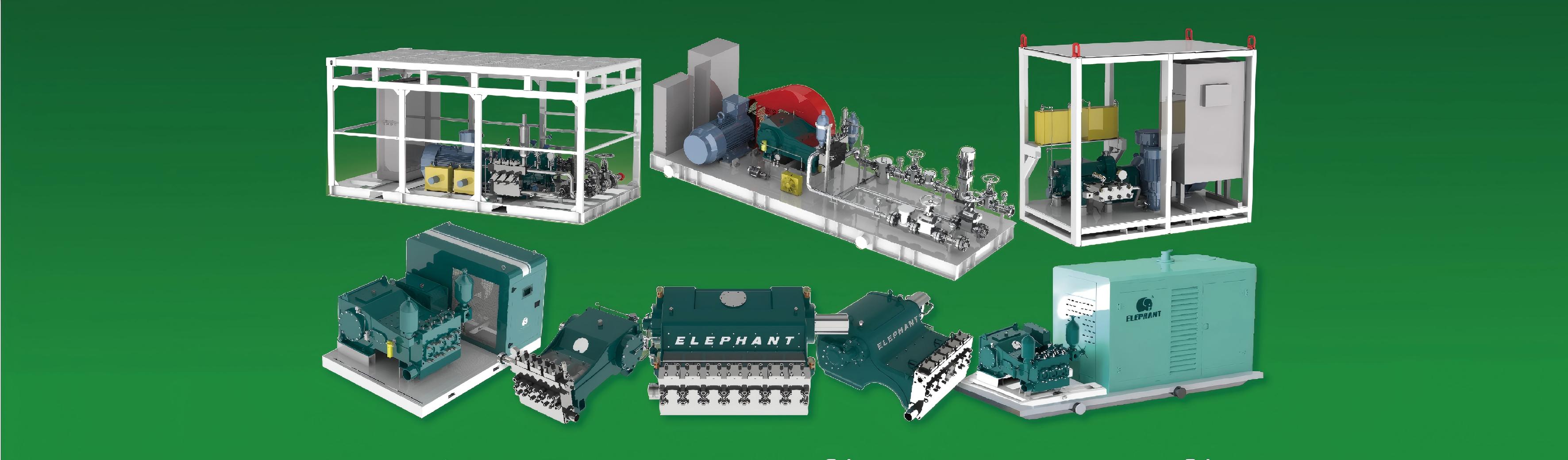
آلات إيليفانت للآلات الترددية مضخات التناضح العكسي تُقدّم هذه المضخات مزايا لا تُضاهى في تطبيقات أنظمة التناضح العكسي ذات الضغط العالي والكفاءة العالية وتقلبات الملوحة العالية، بالإضافة إلى التطبيقات المعيارية. تتوفر المضخات بشكل منفرد أو ضمن مجموعات مضخات مع خدمات التخصيص.

لتزويدك بمواصفات مختلفة لمنتجات وخدمات مضخات المكبس والمضخات الغاطسة
اتصل بنا
إذا كنت مهتمًا بمنتجاتنا ، فيرجى الاتصال بنا ، وسوف نقدم لك الخدمات المناسبة.
 +86 18110351348
 البريد الإلكتروني
: louise.zhang@c-elephant.com
البريد الإلكتروني
: louise.zhang@c-elephant.com
 عنوان
: Room 909, Building 4, No. 109 Software Avenue, Nanjing City, Jiangsu, China</br></br>No. 58 Guan Hua West Road, Jianhu County, Yancheng City, Jiangsu Province, China
عنوان
: Room 909, Building 4, No. 109 Software Avenue, Nanjing City, Jiangsu, China</br></br>No. 58 Guan Hua West Road, Jianhu County, Yancheng City, Jiangsu Province, China
يرجى القراءة ، البقاء منشورا ، الاشتراك. ونرحب بكم لتخبرنا برأيك.
لن نشارك أو نبيع بريدك الإلكتروني أبدًا. نحن نعد أيضًا بعدم إغراق صندوق الوارد الخاص بك.


 شبكة IPv6 المدعومة